Discovering the Diverse Ways Art Can Be Expressed

Are you tired of seeing the same old boring art forms? Have you ever wondered about the diverse ways that artists can express themselves?

Look no further! In this article, we will take a deep dive into the world of art and explore some unconventional and exciting ways in which artists are creating masterpieces.

Get ready to be amazed by the endless possibilities of artistic expression. So buckle up, grab your favorite beverage, and let’s discover together how art can truly take on many different shapes and forms!

Painting

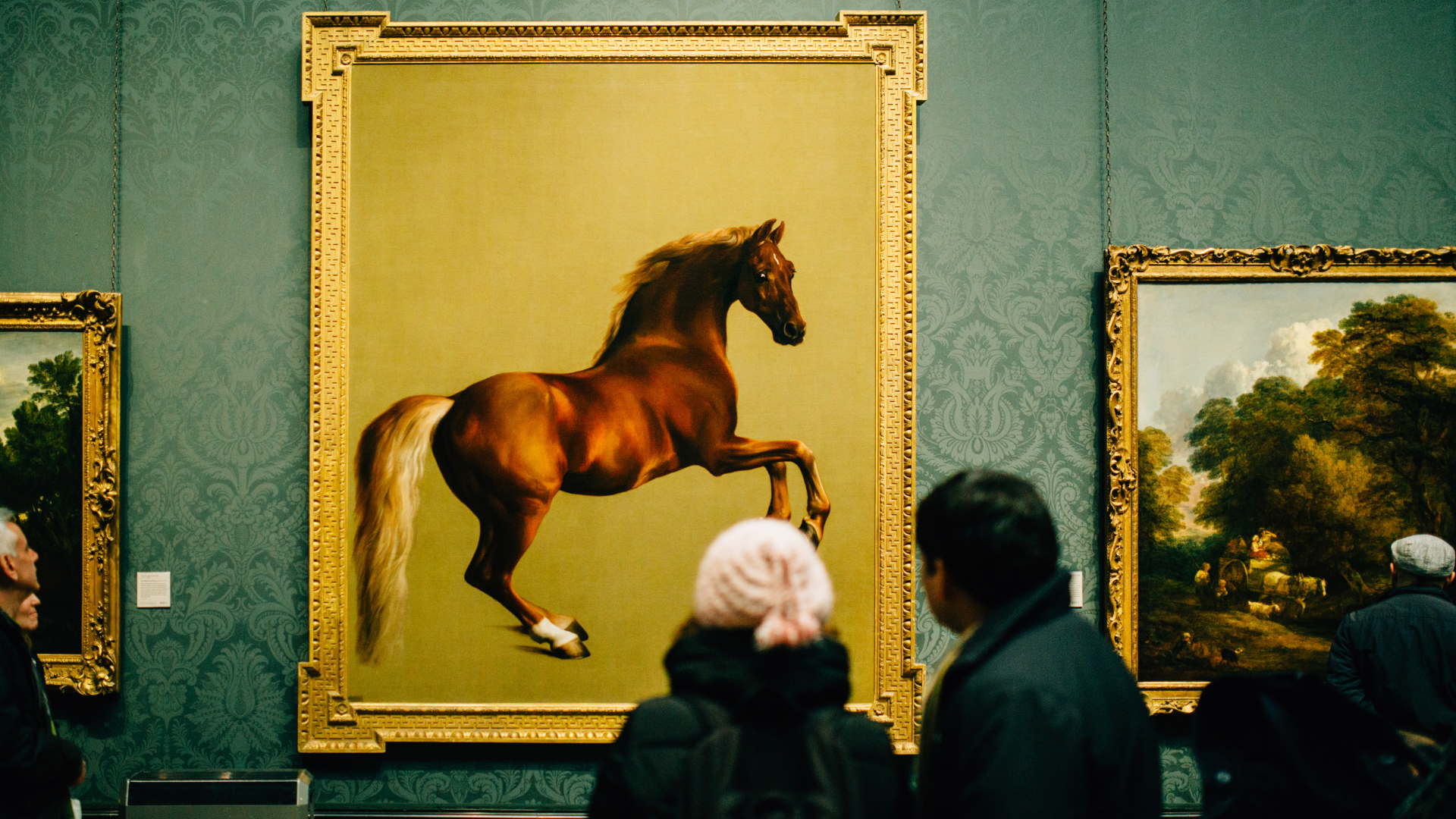
Painting is an expressive medium that you can use to communicate a wide range of emotions and ideas. You can use it for both personal and public projects and you can create them in a variety of styles. Whether you’re looking to capture a moment in time or create a more abstract picture, there’s sure to be something painting can offer that will appeal to you.

Sculpture

One type of art that is often overlooked is a sculpture. Sculpture is an incredibly diverse form of art that you can use to express different ideas and emotions.

Some sculptures are simple and elegant, while others are complex and chaotic. No matter what type of sculpture you’re interested in, there’s likely a specific artist or style that you’ll enjoy.

Photography

Photography has been around for centuries and is still one of the most popular art forms today. You can use it to capture any moment in time, whether it be a happy, sad, or mundane experience.

There are many different types of photography, so there’s sure to be something that appeals to you. Whether you’re interested in capturing beautiful landscapes or unique portraits, there’s likely a type of photography that will interest you. So go out and explore!

Street Art

You can find street art all around the world, from busy city streets to quiet country lanes. It can be created in a variety of mediums, including paint, chalk, spray paint, and even sculptures.

There is street art for everyone to enjoy. Some artists create pieces that are lighthearted and whimsical. Others focus on more serious or political themes. Whatever your interest or mood, there’s likely a street artist out there who has created something just for you.

If you’re looking to add some street art of your own to your travels, be sure to check out the various galleries and museums around town. There’s no better way to get up close and personal with some of the world’s best artwork!

Digital Media

One way you can use digital media to create art is by using video editing software such as Adobe Premiere or Final Cut Pro. With these programs, you can create high-quality videos that you can use for entertainment or educational purposes.

You can also use digital media to create artwork that has a visual impact. One example of this is using Photoshop to craft beautiful images. You can then use these as wallpapers or desktop backgrounds.

Digital media also allows you to create works that are unique and one-of-a-kind. You can use photo editing software to add text, graphics, and effects to your photos.

You can also use animation software to create expressive and engaging videos. You can use these types of works in a variety of ways, including for marketing materials and website designs.

Digital media offers a wide range of creative possibilities that allow you to express yourself in new ways. If you’re interested in exploring these possibilities, there are many tools available online that will help you get started.

Interactive Media

Interactive art can take many different forms as well. Some examples include installation art. This involves the use of physical objects to create an atmosphere or environment for viewers. Another is performance art, which involves the performance of actions or stunts by artists in front of an audience.

Another way you can use interactive media is through internet memes. Memes are images, videos, or jokes that are shared online and often spread quickly through social media. They can be simple or complex, and their purpose can range from entertainment to political commentary.

Fashion Design

There is no one right way to express oneself through fashion, and that’s what makes fashion design so exciting. There are a variety of ways to express yourself through your clothing, from classic and conservative to edgy and avant-garde.

Some people prefer to stick with traditional looks. Others are more experimental and seek out unique designs that stand out from the crowd. There are also many different styles available for women, including vintage fashion, bohemian style, and streetwear.

No matter what your style preference or what kind of outfit you’re looking for, there’s likely a designer out there who can help you create it. With so many different styles to choose from, it’s sure to be easy to find something that perfectly matches your style.

Poetry

Poetry is one way that you can use art to communicate messages. There are many types of poetry, and each type has its specific purpose. Some types of poetry can evoke emotion, while others can provide insight into the author’s thoughts or feelings. Regardless of its purpose, every piece of poetry is unique and deserves appreciation for its own merits.

The power of poetry to inspire and motivate people is further enhanced by those who use it as a tool for public speaking. A MOTIVATIONAL SPEAKER, for example, can use poetry to convey messages that resonate deeply with their audience. By blending the art of spoken word with the public speaking, they can show how flexible and impactful it can be as a medium for expression.

Music

One of the most diverse and expressive forms of art is music. From classical pieces to rock ‘n’ roll classics, music can capture and convey a wide range of emotions and feelings. While there are many different types of music available, one of the most interesting and unique ways to experience it is through improvisation.

Improvising on a musical instrument allows artists to express themselves in a unique and personal way. By playing with abandon and spontaneity, improvisers can create truly unique sounds that cannot be replicated by simply following written notes or melodies.

While improvising may seem difficult at first, with practice it becomes easier to let go and explore new pathways within the music. This openness allows for creativity and expression to flourish, resulting in some truly beautiful pieces of art.

Food

Food photography is one of the many creative ways you can express art. There are so many different ways to photograph food, and there’s no wrong way to do it.

You can capture the natural beauty of food with landscapes or cityscape shots. You can also create whimsical scenes with colourful plates or bowls, or you can shoot in black and white for a more classical look.

Whatever style you choose, make sure your photos are stunningly beautiful and full of flavour. Whether you’re shooting traditional dishes like creamy soup or savoury pasta dishes or photographing unique snacks like deep-fried zucchini flowers or carrot cupcakes, your photos will be sure to please.
The Purpose Of Music

There are many ways to enjoy music in your life, and while some people go as far as to say that music is the most important part of their lives, others believe that it’s not even worth trying. So what’s the purpose of music, and what does it mean for our society? Ask this question and more in this article about the Purpose of Music!

What Is The Purpose Of Music?

The purpose of music is to provide an emotional experience that can be enjoyed by people of all ages. Different types of music can evoke different emotions and can help to create a sense of harmony and peace in the listener. Music has been used for centuries as a form of communication, both between people and between cultures. It has also been used as a way to express one’s feelings and get rid of stress.

Why Do We Listen To Music?

Music has been around for centuries and it is speculated that it originated from early tribal rituals. It has since evolved into an art form with the ability to entertain, inspire, and connect with people on a personal level. Music can be used in a variety of settings, including in the workplace, during social gatherings, and while studying. There are many different types of music that can be enjoyed, depending on one’s individual preferences. Some people prefer classical music while others enjoy rap or rock music. Ultimately, music is what makes us feel good and provides us with pleasure.

How Can You Enjoy More Music Every Day?

If you’re like most people, you probably enjoy listening to music at different times in different ways. But there’s more than just “mood music” out there – there are tracks that can be used for work, for studying, and for keeping up with friends.

The good news is that you don’t have to stick to just one type of music to get your fix. In fact, you can enjoy more music every day by using some tips from this article.

Start With The Tracks You Already Know

There’s no need to buy an entire album just to give it a try – all you need is a few of your favourite tracks. If you already have them downloaded on your phone or MP3 player, start with those first. This way, you can judge whether or not the music is really worth listening to full-length.

Listen At Different Times Of The Day

Different times of the day tend to bring about different moods – so why not use that to your advantage? When you’re feeling motivated or focused, listen to uplifting tracks. And when you’re trying to wind down after a long day, choose soothing tunes instead.

Try New Music In Specific Situations

When you’re studying for an exam or working on a project, it can be helpful to switch up the music playlist periodically. This will keep things interesting and prevent boredom from setting in (or worse yet – cheating).

What Are The Best Tips For Listening To Music Every Day?

There are many ways to enjoy music, but the most important thing is to find what works for you.

  1. Choose music that inspires you. Whether it’s a song from your favourite artist or something that inspires you personally, listen to music that makes you happy.
  2. Listen to music in a comfortable setting. Whether you’re listening at home on your stereo or taking a walk while listening to your favourite playlist on your phone, make sure the environment is comfortable and conducive to enjoying your tunes.
  3. Take breaks from music occasionally. If you’re listening to an album or playlist all the way through without stopping for a break, sometimes it’s best to take a break and come back later when your ears are more open to new sounds.
  4. Experiment with different types of music. Although there are certain types of music that are typically better suited for specific activities (like working out or studying), sometimes it’s fun to branch out and listen to something new. Hearing different genres can open up new perspectives on old favourites and give you an appreciation for the artistry behind them all.

Music has always been a powerful tool. It can stir up emotions, get people moving, and even help to improve mental health. And it doesn’t stop there – music has the ability to connect people from all over the world, no matter what language they speak. Whether you are a musician or not, it is worth spending some time listening to different types of music and trying to understand why certain songs strike a chord with you. From here on out, I believe that you will find that your own personal soundtrack will be enriched by incorporating some form of music into your life.

The Best Ways to Improve Your Art Skills

Artists are some of the most creative people in the world, and we’re often inspired by their work. They take ordinary objects and turn them into something special. Whether you’re an artist or not, there are many ways to improve your art skills.

Below are some of the best ways to get better at drawing!

Find Inspiration

There are many ways to find inspiration for your art. You can look at other artists’ work, take a walk in nature, or simply sit quietly and allow your mind to wander. The important thing is to keep your eyes and mind open to the possibilities around you.

When you find something that inspires you, take some time to examine it. What is it about the colours, shapes, or textures that caught your eye? How could you use those elements in your work?

If you’re ever feeling stuck, remember that there’s no shortage of inspiration in the world. All you have to do is keep your eyes open and let your imagination run wild.

Create a Dedicated Art Space

Having a dedicated space for art making and displaying your work can be incredibly beneficial for improving your skills. Whether it’s a corner of a room, a spare bedroom, or a separate studio, having an area specifically devoted to your artistic pursuits can help foster creativity and provide an inspiring environment to work in.

When setting up your art space, consider the following:

  • Adequate lighting – Proper lighting is crucial for working on art projects and for showcasing your completed pieces.
  • Work surfaces – Set up a table, desk, or easel at a comfortable height for drawing, painting, sculpting, etc.
  • Storage solutions – Install shelves, racks, or cabinets to neatly organize and store your art supplies and works in progress.
  • Display areas – Dedicate wall space or set up a portable display system to proudly showcase your finished artwork.
  • Inspiration sources – Surround yourself with objects, photos, or artwork that inspire you creatively.
  • Comfortable seating – Have a cozy chair or stool available to take breaks and reflect on your work.

When planning to add these functional elements to your space, it would be a good idea to call in a reputed handyman who can assist you with the installation of major features like lighting, storage solutions, painting of the display area, and seating. As for finding a professional to get this done for you – that’s easy. A quick online search for “handyman near me in Euless” or something similar for your location, should fetch you a list of reputed specialists to choose from.

Create a Schedule

One of the best ways to improve your art skills is to create a schedule and stick to it. This will help you stay focused and motivated, and ensure that you’re making time for your art practice.

Start by sitting down and mapping out a schedule for your week. How many hours can you realistically dedicate to your art each day? Make sure to factor in other commitments like work, school, and family obligations. Once you have an idea of how much time you can realistically devote to your art each week, start filling in the details.

Block off time in your schedule for specific activities like drawing, painting, sculpting, or whatever medium you prefer. Then, add additional time for things like research, planning, and reflection. Make sure to leave some wiggle room in your schedule so that you can be flexible as needed.

And finally, don’t forget to schedule breaks! It’s important to give yourself time to relax and rejuvenate so that you can come back to your art practice with fresh energy and ideas.

Invest in Your Equipment

If you want to improve your art skills, one of the best things you can do is invest in quality equipment. This doesn’t mean that you need to spend a fortune. However, it does mean buying supplies that are good enough to help you produce the best work possible.

For example, if you’re a painter, make sure you have high-quality paints, brushes, and canvases. If you’re a photographer, invest in a DSLR camera and quality lenses. And if you’re into digital art, buy a graphic tablet and some nice software.

Investing in quality equipment will help you create better art. This in turn will make you a better artist.

Draw Everyday

If you want to improve your art skills, one of the best things you can do is draw every day. It doesn’t matter what you draw, as long as you take the time to practice. You can draw from real life, or photos and images.

One of the benefits of drawing every day is that it helps you develop your style. The more you practice, the more confident you will become in your abilities, and the more your unique style will emerge.

Another benefit of drawing regularly is that it allows you to experiment with different techniques and mediums. Try out new materials and see how they work for you.

Don’t be afraid to make mistakes. That’s how we learn and grow as artists. Make sure to set aside some time each day to get some drawing done. It doesn’t have to be a lot, but consistency is key. With a little bit of practice, you’ll be amazed at how much your skills will improve over time!

Draw What You See and Not What You Know

To improve your art skills, you should learn to draw what you see, not what you know. Many people try to draw from memory or their imagination. This can sometimes lead to some interesting results. However, it’s not always the most effective way to produce realistic or accurate drawings.

When you’re drawing from life, you’re forced to observe your subject matter closely. This can help you to develop a better understanding of form, proportions, light, and shadow. It can also be a lot more fun than drawing from your head!

So next time you’re looking to improve your art skills, grab a sketchpad and pencil and go out into the world to draw what you see. You may be surprised at just how much your skills will improve.

Practice With Different Mediums

When it comes to improving your art skills, one of the best things you can do is experiment with different mediums. Don’t just stick to one type of material or one way of working. Try out as many different things as you can. This will help you to find your style and develop a stronger understanding of the mediums available to you.

One great way to practice with different mediums is to set yourself challenges. For example, try painting a picture using only three colours, or see how much detail you can fit into a small space. You could also try recreating a favourite piece of art in a completely different medium to see how it turns out.

Don’t be afraid to make mistakes – they’re all part of the learning process. The more you experiment, the better you’ll get at using different mediums and developing your unique style.

The Best Camera Equipment in The Market

Gone are the days when photography was only a hobby for the rich and famous. Photography is now a passion for many, and while there are various great cameras on the market, there are a select few that stand out above the rest. There are cameras that capture the moment perfectly, and there are cameras that can get the perfect shot every time. Thanks to technological innovations, many of today’s digital cameras and phones have great cameras.

Can you judge the quality of photos by the way they look? Sure, a photo looks pretty good, and you cannot help yourself from admiring the fine details. But do you think the photography equipment made the image look clear, sharp, and vibrant? Do you know that professional photographers spend thousands of hours every year learning photography basics? Most of them spend their entire life learning photography skills. Of course, they are also constantly updating their skills to learn new things and keep up with the latest photography trends. So, here is The Best Camera Equipment on The Market.

The lens

Sometimes we do not realize how much we rely on lenses in our everyday life, and rarely do we feel that our sight could be improved. However, those lenses play a significant role in our daily life. For example, contact lenses are worn to correct vision. Medical lenses are intended for the correction of disorders of the eye. In addition, decorative lenses have a different purpose, as they offer a unique look.

The lens of a camera is the optical component that focuses light falling on it. This focusing of sunlight or light from a flash allows the camera to produce an image. Modern lenses come in several types, including standard lenses, wide-angle lenses, macro lenses, telephoto lenses, fisheye lenses, and zoom lenses.

The Memory Card

Having access to lots of photos and videos on your computer makes memories easier to share. But sometimes, you might run out of space to store all those memories. One way to fix that issue is by upgrading to an SD card for your camera. These cards can typically hold up to 64GB. However, not all SD cards are the same, and you will need to ensure you get the right one for your specific camera. 

The filters

Photography just got really exciting. The advent of new lenses, cameras, and accessories has helped make photography accessible and affordable for everyone. The most exciting development in the photography world is the development of filters. This little glass, plastic, and metal strips add an entirely new aspect to your work. For simple cropping, try a circular polarizer that cuts out glare. For HDR, get a graduated neutral density filter to help you balance the exposure between bright and dark areas. For more specific effects, get a color filter, which will dramatically change your photos’ look.

The tripod

If you are searching for the best camera, then the best choice of accessory is a tripod. This equipment is used for photography, and it helps photographers and videographers to capture the best shots. It helps to steady the camera and helps to keep the camera at a good angle.

The batteries

Cameras are expensive to buy, so you want to make sure you get your money’s worth. An expensive camera that is full of dead batteries is worthless. Find out the best camera equipment in the market, and the answer is batteries. Some cameras have batteries that can last hours, even days, so you never need to worry about your battery dying. Want to make sure you never miss a moment? Keep an extra battery or two on hand, and make sure your camera has a battery level indicator too.

What is Portrait Photography?

If you have an interest in photography, then you have certainly heard of the different types of photography out there.

Whilst there are quite a lot of types as well as subtypes that come from them, today, we will be mainly focusing on the diverse types of portrait photography that you may see but might not know what their label is.

Portrait photographers are focused on capturing people as they are with their photography, and despite the fact that some people may see this as easy, it is quite ambitious to capture the identity of something or someone in a single image.

Want to learn more about portrait photography and what it is?

Then read on to dive into the world of portrait photographs and what they mean in this day and age.

What is Portrait Photography

Getting right into it, what is the portrait photography definition?

It aims to capture the personality, essence, and identity of the subject of the photograph.

Using different photographic techniques including composition, posing techniques, and lighting equipment, the photographer can create an image that encapsulates all of that in just one photo.

There are quite a few types of portrait photography that are used which we will go into further down below, but you can expect to know more about, fine art portrait photography, lifestyle portrait photography, candid portrait photography, and self-portrait photography to understand a whole range.

Some of these types are more traditional portraits for professional use as well as publications, whilst others are more casual portraits such as lifestyle portraits/candid portraits which are for everyday life photographs.

For photographers, having the right equipment is essential. For instance, a sturdy tripod can help in achieving sharp, well-composed shots, especially in low light situations. Similarly, a reliable camera neck strap allows your camera to be within reach at all times, allowing you to capture spontaneous moments without worrying about the safety of your camera. This can be particularly useful in candid and lifestyle photography, where the photographer needs to be ready to capture fleeting moments and interactions.

The Types of Portrait Photography

If it is news to you that there are different kinds of portrait photography, and all you thought was that portrait photography was just people sitting in front of a camera to have their photo taken for a ‘traditional portrait’, then you are very wrong.

A portrait photographer may stick to one kind of style with their photography, or they may indulge in other types to broaden their horizons and add to their portfolio.

So much can be conveyed in a single photograph, and to do so with this kind of style does take skill.

Environmental Portraits

Environmental portrait photography is similar to lifestyle portraits, however, they are quite largely focused on the background and its importance to the person within them.

They are often used to highlight the subject’s personality or their identity, so it adds to what they are showcasing in this portrait.

What Would Be The Content?

For example, if you were taking a picture of a CEO, you would perhaps take a picture of them in their office behind a large desk or in front of it, it shows their status and their power.

These might be formal portraits and are used for publications, so they would be classed as traditional portrait photography.

The background can provide the power needed to show off what the portrait photograph is trying to say.

It is always important for a photographer to take that into account if they want to elevate their subject in the setting they are in.

Boudoir Portrait Photography

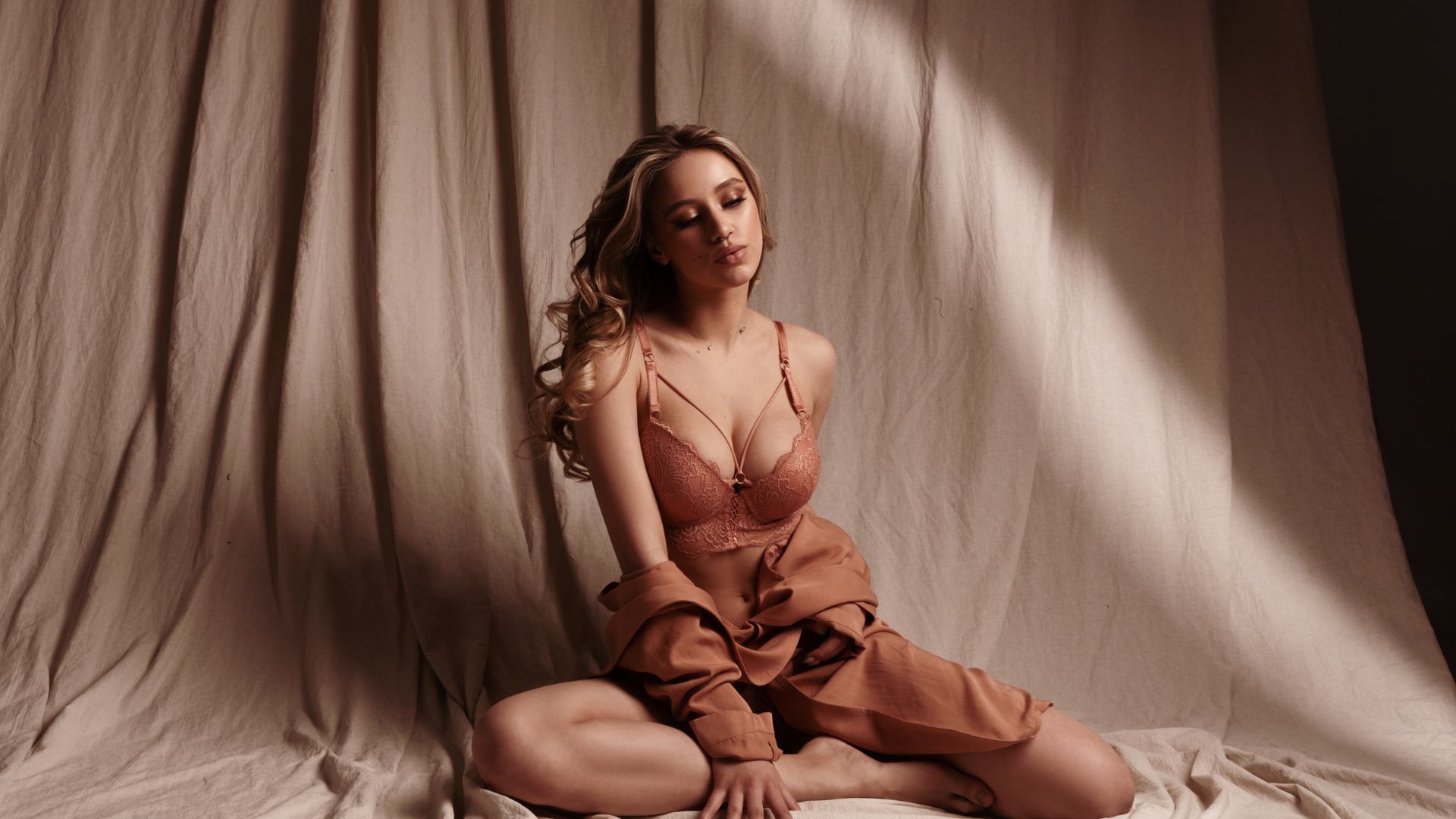
It is a type of photography that captures intimate and sensual images of individuals, generally women. These photographs are usually taken in a bedroom or a similar setting and are intended to showcase the subject’s natural beauty and allure.

The goal of boudoir photography is to create images that make the subject feel confident and empowered. It has become increasingly popular in recent years, as more and more women are embracing their sexuality and choosing to celebrate their bodies through artful and tasteful photography.

The good part is that this field is no more dominated by just male photographers. You can now get clicked for boudoir or escort photography in London by a female, feeling more confident and empowered.

What is This Photography About?

This type of portrait photography is all about empowerment and helping the main subject feel good about themselves and show off who they are so they can celebrate what they look like and how comfortable they are with themselves.

Candid Photography

There is no posing with this type of photography.

Candid portraits can be taken during events, on the street, or during a normal photoshoot in between shots to get authentic and real-life photos.

What is So Great About Them?

Professional photographers see these types of photographs as powerful as it catches the subject off-guard and shows them as their most authentic self because they are not aware that they are being photographed.

Fine Art Portraits

There is a debate about this kind of portrait photography and if it really is part of the subgenre.

Many fine art photographers get inspired by artwork such as paintings which can help them set the scene and create a visual story through their photography.

Renaissance paintings are known to have inspired fine art portraits.

Group Portraits

Most portrait photography is about a single subject, however, group portraits are still a part of this genre.

They include families, couples, and professional partners (business groups). The latter is especially important because it defines the company’s image. It implies a level of PROFESSIONAL PHOTOGRAPHY that needs to be present when it comes to creating group portraits.

What is Important About These Photographs

The content of these photographs is all about capturing the dynamic of the relationship, whatever that is.

Love, romance, care, unity, professionalism, etc., will all show through if the photographer can bring out what they want in their subjects.

It is important to make these photographs show what the relationship is, no one viewing them should be guessing what is going on.

Conceptual Portraits

Conceptual photography is quite abstract as well as being very creative.

This type of portrait photography is about using the photograph to illustrate an idea or concept.

They are notably known as self-portrait photography because photographers will find different ways they can express how they view themselves.

How Are They Created?

To make these portraits stand out, photographers will use techniques such as props and photo editing to create a surreal look.

It is a perfect time for photographers to think outside of the box and move away from more traditional portraits that are the most well-known.

Glamour Portraits

Also partially known as fashion photography, this portrait photography type is all about combining beauty and fashion to highlight the beauty of a person, think of celebrity portraits all glammed up and looking their best.

What Makes it Glamour?

Creating photographs like this will include using makeup, wardrobe, lighting, and photo editing to produce something highly glamourized.

Fashion Photography vs Glamour Photography

Whilst they are kind of put together, there is a difference between these two, for example, fashion photography aims to focus mainly on the clothes/items within the photograph, whereas glamour photography is there to emphasise the subject and how they look.

Headshot Portraits

You will know this photography as the type that is used for actors, other performers, and people in the corporate world who need to have a full headshot to put on their profile and/or business website.

They are shot using studio lighting and will be in a particular place.

Only Focused on The Face

They are very tightly framed meaning that the background is only really there to highlight the person rather than using the background to tell a story or add something essential to the overall look.

They are very tightly framed, meaning that the background is only really there to highlight the person rather than using the background to tell a story or add something essential to the overall look.
Consider recent graduates applying for jobs, in which case, a crucial element that conveys professionalism is the quality of headshot used in their portfolio. A significant first impression increases the chances of getting noticed as well as getting hired by employers. That said, it would be a good idea to invest in Pandorica Headshot Studio in Las Vegas, or a similar studio in a particular vicinity. There is make-up and styling involved for a fresher, enhanced look.

Lifestyle Portrait Photography

This is very casual photography and they are normally shot in the real world with the studio being pushed to the side.

It is about life and the everyday environment.

They resemble what real life is like and it looks more natural and realistic.

What Do They Have To Do?

The subjects of these photos can be directed to do things but they are not posed shots, so they don’t have to freeze for the photo.

They may be told to walk somewhere as the pictures are being taken or to speak/jump to get the shot that the photographers looking for.

Conclusion

So, do you now know what portrait photography is and how there are many sub-categories that can be used in different settings?

If you are a new photographer then you may find information like this to be quite helpful when you are figuring out your own style and want to try out different kinds that will help you create the looks you are aiming for.

Why Music Is Good for You

For some people, music is just background noise or something to drown out other noises. They might not be aware of what they are missing out on! In this article, you will get a chance to explore the many benefits of music that you might have never heard of before.

Music Can Help Your Heart Health

Music is good for you because it can help your heart’s health. Listening to music can lower your blood pressure, heart rate, and stress levels.

It can also help you breathe more deeply and evenly. When your heart is healthy, you have more energy and feel better overall.

Music Reduces Depression

Depression is a serious problem that can lead to a host of other mental and physical health problems. Music is a great way to reduce depression. It can help to improve mood, reduce stress, and increase positive emotions.

Listening to music can also help to distract from negative thoughts and emotions. Music is a powerful tool that can help to reduce depression and improve overall mental health.

Music Helps You Sleep Better

Music is good for you for a variety of reasons, but one of the most important is that it helps you sleep better. When you listen to certain kinds of music, your brain releases a chemical called dopamine that makes you feel happy and relaxed. This helps you to fall asleep more easily and stay asleep for longer.

There are a few different ways to listen to music that can help you sleep better. One is to listen to calm, relaxing music before you go to bed. You can find such music on Lucid Meditation Music or similar blog catalogs on the internet. This can help to ease you into sleep and prevent you from waking up in the middle of the night.

Another way to use music to sleep better is to listen to it while you are lying in bed. This can help to mask any outside noise that might be keeping you awake.

Whatever method you choose, make sure to choose music that you find relaxing. This will help you to get the most benefit from it.

Music Enhances Running Performance

Music has a way of getting people pumped up and ready to go. That’s why it’s such a great tool to use when trying to enhance running performance.

Studies have shown that music can help improve running times by up to 15 percent. It does this by distracting the mind from the exertion of running, and also by helping to increase the runner’s stride rate. So if you’re looking for a way to improve your running times, pop in some headphones and let the music take you away.

Music Decreases Fatigue

A lot of people listen to music when they are tired, and for good reason. Music has been shown to decrease fatigue.

In one study, participants who listened to music felt less tired than those who didn’t. In another study, people who listened to music before and after exercising felt less fatigue than those who didn’t. So if you’re feeling tired, put on your favorite tunes and let the music help you feel more energized.

Music Elevates Your Mood While Driving

There are many benefits to listening to music while driving. Music can elevate your mood and make time fly by.

It can also help you focus on the road and be more alert. If you’re feeling stressed, listening to calming music can help you relax.

There are many different genres and artists to choose from, so you’re sure to find something that suits your mood. So turn up the radio and enjoy the ride!

Music Strengthens Learning and Memory

Most people think of music as something to listen to for entertainment. However, music is good for you because it strengthens learning and memory.

Studies have shown that music improves memory and recall and that it also helps increase focus and concentration. So if you’re studying for a test or working on a project, listen to some music to help you learn and remember better.

Music Increases Verbal Intelligence

Studies have shown that music is good for you because it increases verbal intelligence. Listening to music has been shown to improve reading and writing skills.

In one study, children who were exposed to music showed improved reading and writing skills. They also showed increased verbal intelligence, compared to those who were not exposed to music.

The benefits of music are not just limited to children, though. Adults who listen to music have also been shown to improve their verbal intelligence.

Tips for Creating Amazing Effects With Lighting in Photography

Lighting can be an important part of creating beautiful images. In this blog article, we’ll explore some easy techniques to add variety to your lighting and get the most out of it.

Use Contingency Lighting

One of the most important things to remember when it comes to lighting is that everything depends on how your lights are set up and used. This means that you need to be prepared to change things depending on what you’re trying to achieve. One way to do this is by using contingency lighting.

Contingency lighting is simply light that’s added to your scene as a backup plan in case something goes wrong with your primary light sources. This can be anything from additional sunlight shining into a dark room to a set of strobes firing if your main lights fail.

By adding contingency lighting, you’ll be able to fix problems as they happen rather than waiting for them to become an issue. This will give you better control over your images and make them look more polished overall.

Use Multiple Light Sources To Get Dramatic Effects

Another great way to create dramatic effects with lighting is by using multiple light sources. This can either be a single big light source, or several smaller ones scattered around the scene. By using multiple light sources, you’ll be able to add depth and interest to your images without having to use any heavy post-processing work.

Plus, using multiple light sources also gives you more options when it comes to color and shadows. You can create shadows specific to each direction, or use different colors to create different moods.

Use Soft Light To Create a Relaxed Mood

One of the best ways to create a relaxed mood is by using soft light. This type of light is usually found in natural environments and is often used to complement other elements in the scene. By using soft light, you’ll be able to create a warm and inviting atmosphere.

Soft light is also great for portraits and other images that require a lot of emotion and expression. By adding just a touch of soft light, you can help your subjects come across as more authentic and human.

Use Flash for a Dynamic Effect

One of the most popular ways to create dramatic effects with lighting is by using flash. By using flash, you can create a sense of energy and excitement in your images. You can also use flash to create interesting shadows and highlights, which can add a lot of dimension to your photos.

Plus, by using flash, you can create images that are very difficult to reproduce in post-processing. This means that you’ll be able to control the look and feel of your images much more easily than with other techniques.

Use Ambient Lighting to Create a Relaxed Mood

One of the best ways to create a relaxed mood is by using ambient lighting. This type of light is found in most environments and is often used to create a balanced and natural feeling. By using ambient lighting, you’ll be able to add depth and interest to your images without having to use any heavy post-processing work.

By using ambient lighting, you’ll be able to create images that are consistent with the surrounding environment. This will help make your photos look more realistic and natural.

Use Colour to Create a Vibrant Mood

One of the best ways to create a vibrant mood is by using colour. By using different colors, you can create a range of different effects. This can be used to create drama, excitement, or any other desired mood.

Also, by using colour, you’ll be able to add a lot of life and energy to your images. This will help make your photos look more expressive and alive.

Use Shadows To Create Depth and Interest

One of the best ways to create depth and interest in your images is by using shadows. By using shadows, you can add a sense of scale and texture to your images. This can be used to create more dramatic or interesting effects or to give your images a more realistic feel.

By using shadows, you can add a lot of dimension and detail to your photos. This will help make your photos look more dimensional and textured.

Use Highlights To Create Contrast and Eye-catching Effects

One of the best ways to create eye-catching effects with lighting is by using highlights. By using highlights, you can add a lot of visual interest and brightness to your images. This can be used to create images that are more visually striking, or images that are more memorable.

Plus, by using highlights, you can add a sense of life and energy to your images. This will help make your photos look more alive and exciting.

By following these tips, you’ll be able to create amazing effects with lighting in photography.

6 Photo Editing Tips for Better and More Professional Photos

Everyone likes to take photos. People take pictures to document interesting or special events, capture things they find beautiful within nature, and record memorable moments with friends and family. It’s sometimes difficult to know what type of photo to aim for. Should you go for sharp, colourful, high-contrast images, or should you choose blurred, soft, and low-contrast? 

Let us look at the following tips for photo editing that can help you take better and more professional photos:

  1. Don’t be afraid to experiment and have fun. If you truly want to take better photographs, you’ve got to be willing to experiment with new tools and techniques. However, that should never mean compromising the quality of your photos. That means not resorting to photo filters that add unrealistic colours, exaggerated features, or completely fake images. Experiment with colours, contrast, saturation, brightness, and sharpness. Adjusting each of these values can make photos differ greatly. Positive adjustments are designed to make pictures more cheerful, while negative adjustments can make a photo look more sombre.
  2. Understand the basics of exposure. Exposure is one of the most important aspects of photography. Exposure is a photo editor’s best friend and worst enemy. Exposure can dramatically enhance a photo when applied correctly, making it pop with vibrant colours and sharper details. On the other hand, when Exposure is overused, a photo can look washed out and devoid of colour. Understanding exposure will help you control how light and colours affect your photos. Exposure also determines how much natural light can enter the camera. If you already understand the basics of exposure, you should be able to get great photos without much effort at all. 
  3. Take photos in low light. Photos are one of the most important parts of any blog. High-quality photos give readers a better feeling about your blog, can be eye-catching, and show your skills. However, taking photos in low light can be tricky. This is because when taking photos in low light, you are fighting two problems: too much light and poor photo quality. Taking photos in low-light conditions can be challenging, but it’s essential. Everyone should be able to take good photos in low light conditions, but it requires practice. Understanding the basics will enable you to take great photos in low light.
  4. Use low-res photos sparingly. High-quality photos are great for printing and displaying, but when it comes to sharing small images online, the resolution usually does not need to be higher than 72 dpi. A local photo lab can print images with up to 4000 dpi (or 360 dpi each on the front and backside), and 2000 dpi is the minimum resolution used for most online photo-sharing sites, including Instagram.
  5. Resize your photos by using the appropriate resizing tool. Photography is something we all enjoy, and most of us like to share our photos online. But what do you do when you want to share a photo that’s too large for social media? Rather than re-uploading or reducing the quality, you can also use an online photo resizer to resize your photo without compromising the quality of your photos. By using an online photo resizer, you can easily resize your photo without losing the quality of your photos. You can resize in either pixels or percentages and then easily save your photo.
  6. Turn off autofocus and use manual focus instead. Find the best focus point on any subject in low-light conditions. If your camera doesn’t offer autofocus in low-light conditions, or you’re using a camera without a dedicated macro setting, your best bet is to focus manually. Autofocus is the feature that lets you snap a photo, and the camera automatically chooses your exposure. But for some photographers, autofocus can be a curse, not a blessing. Autofocus can cause blurry photos, especially if the sensor cannot properly lock onto the subject. To combat this, most photographers will turn autofocus off, focusing manually. This can be difficult for beginners, but there are ways to make it easier. Manual focus is often a stop or three slower than autofocus, but if you’re shooting in low-light conditions, that increases to as much as an f-stop or two.

If you are a shutterbug, you need to learn how to take better photos. Investing in a good camera is a great start, but knowing how to use the camera’s features effectively will further improve the quality of your shots. Take some time to learn how to take better photos, which you can do by trying out some of the following photo editing tips listed above.

How Important Is Your Choice of Microphone?

When it comes to music and sound quality, most people would prefer the best possible equipment, but other factors determine the quality of sound, including the type of mic chosen. There are many different types of microphones, each suited for a specific job. A dynamic mic is a flat ribbon design, which is cheaper and simple to make. A ribbon microphone, typically larger and heavier than a dynamic mic, is more sensitive to changes in sound pressure. A condenser mic, typically smaller and lighter, is more sensitive to changes in electrical charger than other condenser microphones, such as a dynamic mic with a condenser capsule.

Purchasing a microphone can be a large investment, and while in the past it was enough to buy the cheapest one possible to get the best sound, today, there are high-end studio microphones that can cost up to $1,000. While a microphone with good sound quality is key to getting the best possible sound in your mix, there are other factors to consider when purchasing one, including the type of mic, its compatibility with your audio interface, and whether you even need a dynamic or condenser mic.

How It Works

A microphone can be connected to a device to amplify the voice. A microphone is a device used to amplify the voice. Usually, a microphone has two parts: the receiver and the microphone. A microphone is connected to the receiver. It is connected to a sound amplifier, which amplifies sound. It is connected to a transmitter, an audio device that produces sound. A microphone has a diaphragm containing a membrane. This diaphragm vibrates, producing sound. A microphone is connected to an amplifier, which is used to power a transmitter. A transmitter generates sound.

Is It A Good Investment?

Mics are not as popular as they once were, but there are plenty that brings quality to the music. For recording, all you need are mics, a microphone preamplifier, a mixer, and an amplifier. If you want to just practice and jam, you can’t go wrong with a mic, a recorder, and headphones.

When you consider investing in a device, you naturally think about how the device will increase your overall productivity when working. Everybody wants to be more productive and work more efficiently. Every day, we are faced with various tasks and challenges that sometimes build up and make us feel like we don’t have enough time to accomplish everything we want.

What Are The Popular Styles Of Microphones?

There are only two good varieties for those looking to invest in a microphone: wired and wireless. Wired microphones come in various styles, from handheld to lavalier to studio models, and wired microphones produce a clear sound. But because microphones need to be plugged into a recorder or mixer, they are relatively bulky and limit the mobility of their user. On the other hand, wireless microphones are compact and lightweight, so their user can move around freely while connecting their microphone to a sound source is as easy as plugging in a headset or headset microphone.

So, there are several reasons to choose a microphone. You must consider the size of the audience and the budget. In some cases, a headset or lavalier microphone can be helpful, but for big audiences, a handheld dynamic microphone is more popular. The dynamic microphone is convenient because it is easy to move around, and it is possible to hold it in different positions. In contrast, the lapel microphone is more suitable for small places, and it is not easy to move freely.

Drawing from Life vs. From a Photograph: Pros and Cons

It’s a commonly known fact that drawing from life is a lot harder than drawing from a photograph. Professional artists who specialize in drawing from life are often better at it than those who just work from photographs and often have no choice but to work from life as part of their jobs. However, we’re not all photographers with years of training and experience, so how can we learn to draw from life? We can start by understanding the benefits and drawbacks of drawing from life and then make our own decisions.

What is the difference between drawing from life and drawing from a photo? How many times have you noticed that photos can be altered to appear more lifelike than they are, usually by the use of special effects? This can make it difficult to tell if a drawing was accurate.

What is the difference between drawing from life and drawing from a photo?

While drawing from life may be more appealing, drawing from photos is not discounted. Drawings from life are usually more realistic in terms of lighting and perspective, which makes them easier to identify with. However, the colours in photos can be more interesting; for instance, a person’s eyes can be made more prominent, and facial features can be enhanced.

If you take a photograph of a place and paint it, you are drawing from a photograph. If you look at a person and paint them, you are drawing from life. How do you go about drawing from life? The best way to do that is to walk around and observe everything in front of you. When you do that, you discover the world is full of textures and details that you can draw from.

Drawing from Life: Pros and Cons

  • Pro: Many people are good at drawing from life – those are the people who make most of the money from the art industry. 
  • Cons: Most people don’t want to draw from life because it is boring, and everyone can be an artist if they want to. But not everyone knows how to draw. 
  • Pro: Drawing from life is a great way to learn about your subject.
  • Cons: But it has its weaknesses. This is especially true for non-art photography. 
  • Pro: Many artists who create their paintings or drawings from life choose to do so because they wish to learn how to draw people, a skill that is essential in their fields of painting and drawing. This can help them improve, and their work can be more realistic. 
  • Cons: However, not many people have the patience to do so, which can result in very uncomfortable results for the artist, as digital images and videos are usually more time-efficient than painting a person from life.

Line drawings and paintings are a great way to try new techniques and experiment with new materials, and they can also be just as effective as photo-based art.

From a Photograph: Pros and Cons

  • Pro: You can work most of the time indoors. The way we take our photographs is changing. While it used to be that we went out to a public place and took the shot, taking photographs of buildings, monuments, and other such objects are becoming increasingly popular, especially in the form of ‘Virtual Art’ or ‘Virtual Photography.’
  • Cons: Some clients are just difficult. Most of the time, clients have a good time, and when things go a little bit wrong, it’s usually because the client has been moody
  • Pro: You can share your ideas on social media. 
  • Cons: Photographers have low social status.
  • Pro: Plenty of free photography courses.
  • Cons: Rather questionable work-life balance.

There’s a lot of advice out there on how to step out from behind the camera to become a better artist. Some say don’t try, some say you have to have a massive amount of talent, and some say you need a certain amount of skill. Others say you need to study and practice.

A lot of artists are frustrated with the fact that their drawings do not look like samples in art books. Some try to draw from life, but it is not always successful. The main problem is if you draw from life, you will be too familiar with the subject you are drawing, which will result in a drawing with the same mistakes as the original subject. This will be a lot like studying for a test, you will know exactly what to do, but the result will be very different from a skillful drawing.